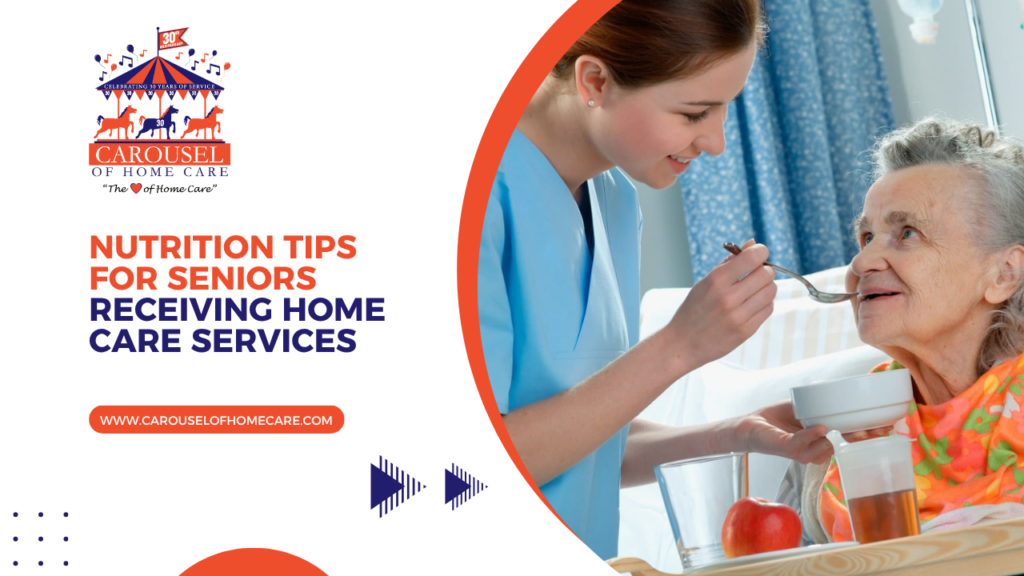
Proper nutrition is one of the most important factors in maintaining health, independence, and quality of life as we age. For seniors receiving home care services, eating nutritious meals helps improve energy levels, strengthen the immune system, support recovery from illness, and reduce the risk of chronic health conditions.
Unfortunately, many older adults experience challenges such as reduced appetite, difficulty chewing, medication side effects, or limited mobility that can make healthy eating more difficult. With the right support and meal planning, seniors can continue enjoying balanced, nutritious meals that promote overall well-being.
In this guide, we’ll share practical nutrition tips for seniors receiving home care services and explain how caregivers can help support healthy eating habits at home.
Why Nutrition Is Important for Seniors
As we grow older, our bodies require fewer calories but more nutrients. Proper nutrition helps seniors stay active, maintain muscle strength, improve cognitive function, and recover more quickly after illness or surgery.
A healthy diet can also help manage chronic conditions such as:
- Diabetes
- High blood pressure
- Heart disease
- Osteoporosis
- Arthritis
- Kidney disease
Good nutrition supports both physical and emotional health while helping seniors remain independent for longer.
Common Nutrition Challenges for Older Adults
Many seniors face obstacles that make healthy eating more difficult.
Some of the most common challenges include:
- Reduced appetite
- Difficulty chewing or swallowing
- Changes in taste or smell
- Medication side effects
- Limited mobility
- Memory loss
- Depression or loneliness
- Difficulty preparing meals
Recognizing these challenges early allows caregivers and families to provide appropriate support.
Choose Nutrient-Dense Foods
Instead of focusing only on calories, seniors should prioritize foods rich in vitamins, minerals, fiber, and protein.
Healthy choices include:
Lean Proteins
- Chicken
- Turkey
- Fish
- Eggs
- Beans
- Lentils
- Greek yogurt
Protein helps maintain muscle strength and supports healing.
Fruits and Vegetables
Aim for colorful fruits and vegetables every day.
Examples include:
- Spinach
- Broccoli
- Carrots
- Blueberries
- Apples
- Oranges
- Sweet potatoes
These foods provide antioxidants that support immune health.
Whole Grains
Choose:
- Oatmeal
- Brown rice
- Whole wheat bread
- Quinoa
- Whole grain pasta
Whole grains improve digestion and provide lasting energy.
Stay Hydrated
Dehydration is common among older adults because the sensation of thirst often decreases with age.
Encourage seniors to drink:
- Water
- Milk
- Herbal tea
- Low-sugar electrolyte drinks
- Soups
Hydration supports:
- Brain function
- Kidney health
- Digestion
- Blood circulation
- Energy levels
Even mild dehydration can increase the risk of falls and confusion.
Prioritize Protein at Every Meal
Protein becomes increasingly important with age.
It helps:
- Preserve muscle mass
- Improve balance
- Reduce falls
- Support wound healing
- Speed recovery after illness
Good protein sources include:
- Fish
- Chicken
- Eggs
- Cottage cheese
- Yogurt
- Tofu
- Beans
Eat Smaller Meals More Often
Some seniors struggle with large meals.
Instead, consider:
- Three smaller meals
- Two or three healthy snacks
This approach can improve appetite while maintaining energy throughout the day.
Healthy snack ideas include:
- Cheese and whole grain crackers
- Yogurt with berries
- Mixed nuts
- Banana with peanut butter
- Fresh fruit
Reduce Excess Salt and Added Sugar
Too much sodium can increase blood pressure and fluid retention.
Limit:
- Processed foods
- Canned soups
- Salty snacks
- Fast food
Likewise, reducing added sugar supports healthier blood sugar levels and heart health.
Include Healthy Fats
Healthy fats support brain health and heart function.
Good sources include:
- Olive oil
- Avocados
- Salmon
- Walnuts
- Almonds
- Chia seeds
These fats help reduce inflammation while supporting cognitive health.
Meal Planning Makes Healthy Eating Easier
Planning meals ahead of time helps seniors maintain a balanced diet.
Meal planning also:
- Reduces stress
- Saves time
- Minimizes food waste
- Encourages healthier choices
- Makes grocery shopping easier
Caregivers can assist with preparing weekly meal plans based on dietary preferences and medical recommendations.
The Role of Home Caregivers in Senior Nutrition
Professional caregivers play an important role in supporting healthy eating habits.
They may assist with:
- Grocery shopping
- Meal preparation
- Healthy snack planning
- Medication reminders
- Hydration monitoring
- Encouraging regular meals
- Monitoring appetite
- Observing weight changes
These services help seniors maintain proper nutrition while remaining safely at home.
Nutrition Tips for Seniors with Chronic Conditions
Many older adults manage ongoing health conditions that require dietary adjustments.
Diabetes
Focus on:
- Whole grains
- Lean protein
- Vegetables
- Controlled carbohydrate portions
Heart Disease
Choose:
- Low sodium foods
- Healthy fats
- High-fiber foods
Osteoporosis
Increase:
- Calcium
- Vitamin D
- Protein
Kidney Disease
Dietary recommendations should always follow guidance from healthcare professionals.
Warning Signs of Poor Nutrition
Families should watch for signs including:
- Unexplained weight loss
- Fatigue
- Weakness
- Frequent illness
- Poor wound healing
- Dehydration
- Loss of appetite
- Difficulty swallowing
Early intervention can prevent more serious health complications.
How Carousel of Home Care Supports Healthy Living
At Carousel of Home Care, we understand that good nutrition is essential for healthy aging.
Our caregivers provide compassionate assistance with:
- Meal preparation
- Grocery shopping
- Medication reminders
- Hydration support
- Daily living assistance
- Personalized care plans
We proudly serve seniors throughout:
- Freehold
- Hazlet
- Toms River
- Monmouth County
- Ocean County
- Middlesex County
- Burlington County
Our goal is to help every client enjoy nutritious meals while maintaining independence and quality of life.
Final Thoughts
Healthy eating is one of the most effective ways seniors can improve their overall health, maintain independence, and enjoy a better quality of life. With the support of family members and professional home caregivers, older adults can overcome common nutritional challenges and develop healthy eating habits that promote long-term wellness.
Whether you need assistance with meal preparation, daily care, or personalized home care services, Carousel of Home Care is here to help your loved one live safely, comfortably, and confidently at home.
Frequently Asked Questions
What foods are best for seniors?
The best foods for seniors include lean proteins, fruits, vegetables, whole grains, healthy fats, and calcium-rich foods that support overall health and healthy aging.
Why is nutrition important for seniors?
Good nutrition helps seniors maintain muscle strength, improve immunity, manage chronic conditions, support brain health, and recover more quickly from illness or surgery.
Can caregivers help with meal preparation?
Yes. Professional home caregivers often assist with grocery shopping, meal planning, meal preparation, hydration reminders, and encouraging healthy eating habits.
How much water should seniors drink?
Hydration needs vary, but most seniors should drink enough fluids throughout the day unless otherwise directed by their healthcare provider.
How can home care services support healthy nutrition?
Home care professionals help seniors prepare nutritious meals, monitor hydration, encourage healthy eating, and provide daily support that promotes overall health and independence.